
Month: April 2026
-

Building a Legal Engine: Why a Systems Approach is the Future of Philippine Business Growth
For many entrepreneurs in the Philippines, the sight of a formal letter from the Department of Labor and Employment (DOLE) or a notice from the National Privacy Commission (NPC) triggers an immediate sense of dread. Often, the first instinct is to “call the lawyer” to put out the fire. This reactive stance characterizes the traditional…
-
Stop the Firefighting: Solving Repeating Legal Problems with a Systems Approach
In many Philippine boardrooms and management offices, a frustrating phenomenon occurs: the same legal problems keep coming back. Whether it is a recurring dispute over overtime pay, consistent friction with suppliers, or repeated notices from regulatory bodies, these issues often feel like an unavoidable tax on doing bus iness. Traditionally, most entrepreneurs handle these problems…
-

Rising Fuel Costs and Your Job: Navigating Authorized Causes for Termination in the Philippines
When you pull up to a gas station and see the prices on the pump climbing week after week, the impact reaches far beyond your personal commute. For businesses in the Philippines—especially those in logistics, manufacturing, and food delivery—surging oil prices create a massive “domino effect” on operational costs. Eventually, some employers may decide that…
-
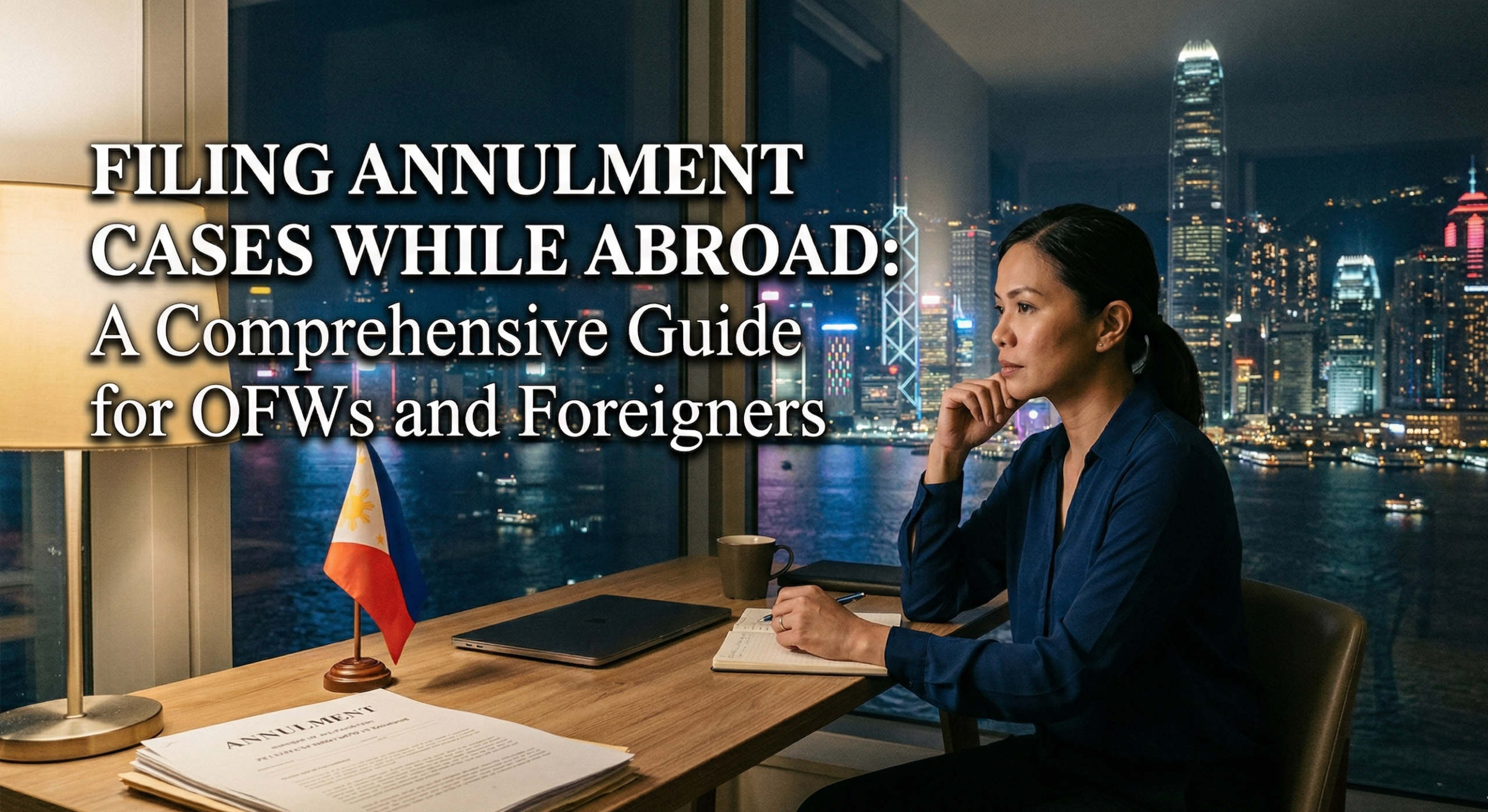
Filing Annulment cases while abroad: A Comprehensive Guide for OFWs and Foreigners
Imagine Maria, a dedicated nurse working in Dubai for the last five years. While she works long shifts to provide for her family, she discovers that her husband in the Philippines has established a second family. Maria wants to move on and legally dissolve her marriage, but she faces a daunting reality: she cannot afford…
-

The War on Fast Fashion: Understanding Waste Colonialism and Global Regulatory Shifts
Imagine walking through the vibrant aisles of a local “ukay-ukay” market. You find a designer shirt for a fraction of its retail price. While these markets offer affordability and a unique fashion sense, they also represent a complex legal paradox in the Philippines. Most consumers do not realize that the very existence of these goods…
-

Essential Industries, National Interest, and Limits on Strikes in the Philippines
Imagine a transport slowdown during a fuel crisis. Buses run fewer trips. Deliveries arrive late. Workers struggle to get to their jobs. Families wait longer for basic goods. In that setting, a labor dispute does not affect only one employer and one group of employees. It can also disrupt daily life on a much wider…
-

Cost-of-Living Crisis vs. Stagnant Wages in the Philippines: What Labor Law Protects
A familiar scene now plays out in many Filipino homes. Grocery bills rise. Transport costs stretch daily budgets. Rent, utilities, and school expenses demand more each month. Yet many workers still bring home roughly the same pay. As a result, frustration builds not only in households but also in workplaces. This issue matters because wages…
-
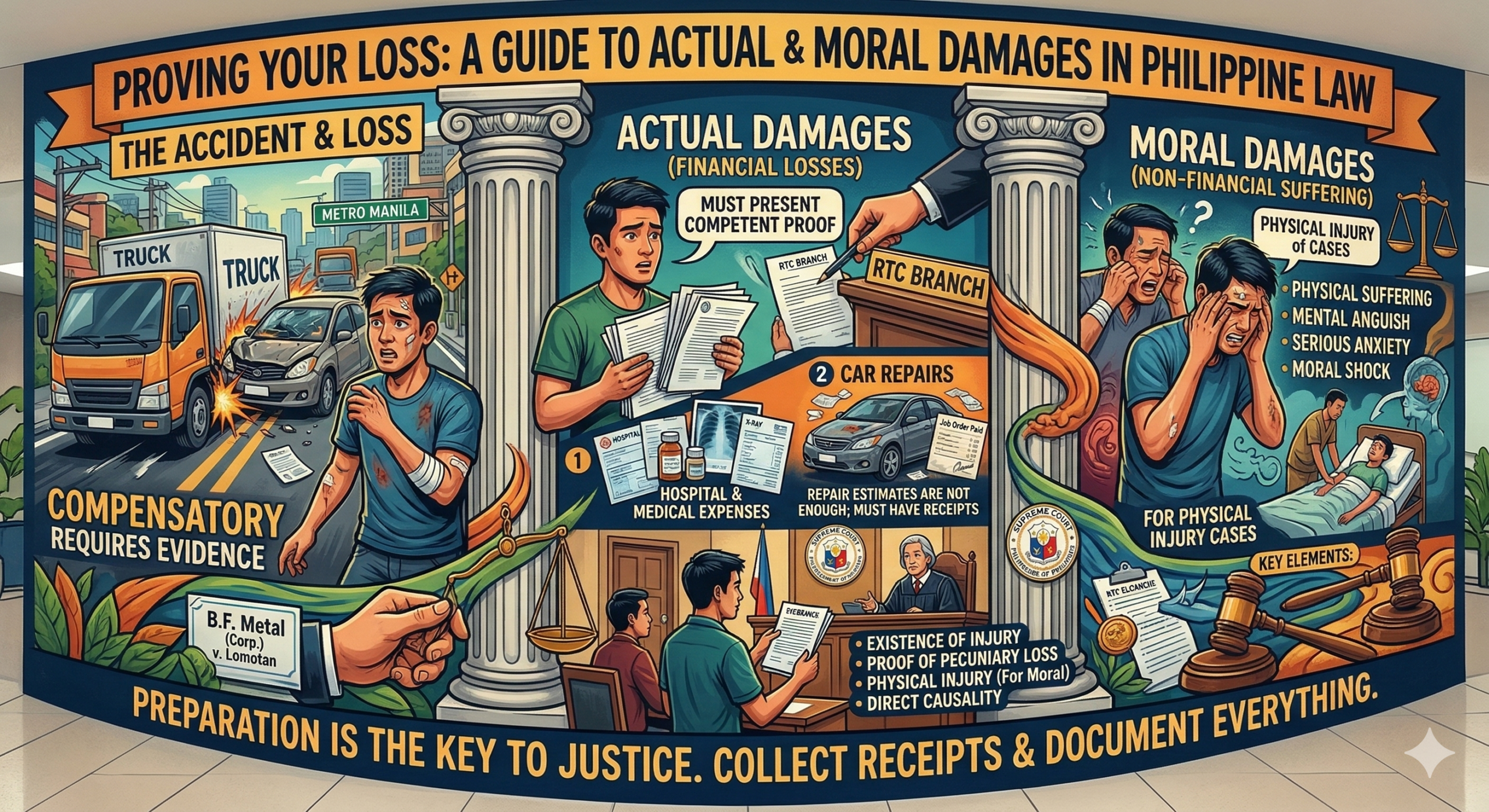
Proving Your Loss: A Guide to Actual and Moral Damages in Philippine Law
Imagine driving along a busy thoroughfare in Metro Manila when a delivery truck suddenly swerves into your lane, causing a significant collision. Beyond the initial shock, you now face mounting hospital bills, expensive car repairs, and the emotional trauma of the event. In the Philippines, the law allows you to seek compensation for these burdens,…
Popular Posts
- Annulment in the Philippines: What You Need to Know Before Filing a Case
 Marriage carries legal, personal, and social consequences. However, some marriages… Read more: Annulment in the Philippines: What You Need to Know Before Filing a Case
 - Extrajudicial Settlement of Estate in the Philippines: Requirements, Publication, and Registration Explained
 Introduction Many Filipino families encounter the same challenge after a… Read more: Extrajudicial Settlement of Estate in the Philippines: Requirements, Publication, and Registration Explained
 - Reconstitution of Lost Land Titles in the Philippines: What Property Owners Need to KnowLosing a land title can cause serious concern. Many property… Read more: Reconstitution of Lost Land Titles in the Philippines: What Property Owners Need to Know
Archives
- June 2026 (3)
- May 2026 (2)
- April 2026 (8)
- March 2026 (8)
- February 2026 (8)
- January 2026 (10)
- December 2025 (8)
- November 2025 (9)
- October 2025 (4)
- August 2025 (1)
- April 2025 (1)
- March 2025 (3)
- February 2025 (11)
- January 2025 (7)
- March 2024 (4)
Tags
Annulment Annulment Lawyer in Cagayan Valley Annulment Philippines Atienza v. Saluta Business Law Cagayan Valley Civil Litigation civil litigation Philippines Constitution Debt Trap Prevention DNA Testing Philippine Law Employee Rights Family Code Family Code Article 40 Family Law Filiation and Paternity Grande v. Antonio Illegal Dismissal Indigenous Peoples Rights Jurisdictional Venue Kasambahay Law Philippines Labor Law Labor Law Philippines Labor Lawyer in Tuguegarao lawyer in Tuguegarao NLRC Office Romance PhilHealth Philippine Family Law Philippine labor law Philippine Law Property Law Property Rights Provisional Remedies Psychological Incapacity RA 9255 Illegitimate Children Regularization Rule 108 Rules of Court Safe Spaces Act Santiago v. Jornacion security of tenure Serious Misconduct Supreme Court Decisions Tuguegarao Family Lawyer Tuguegarao Law Office